BTemplates.com

Powered by Blogger.

Pageviews past week

Quantum mechanics

Auto News

artificial intelligence

About Me

Recommend us on Google!

Information Technology

Popular Posts

Monday, June 7, 2010

Generating Power from a Heart


Nanowire generators could one day lead to medical devices powered by the patient's own heart.
Me
Live wire: A single zinc oxide nanowire can be attached to a rat’s heart, where it produces electric current as it bends with every beat.
Credit: Guang Zhu, Georgia Tech

A tiny, nearly invisible nanowire can convert the energy of pulsing, flexing muscles inside a rat's body into electric current, researchers at Georgia Institute of Technology have shown. Their nano generator could someday lead to medical implants and sensors powered by heartbeats or breathing.

Zinc oxide nanowires show the piezoelectric effect, producing electricity when they are under mechanical stress. Georgia Tech professor of materials science and engineering Zhong Lin Wang and his group first demonstrated these nanowire generators in 2005. Since then they have made devices that can harness the energy of a running hamster and tapping fingers, and have also combined their piezoelectric nanowires with solar cells.

In their latest work, published in the journal Advanced Materials, Wang's team shows that the nanogenerator works inside a live animal. The researchers deposited a zinc oxide nanowire on a flexible polymer substrate and encapsulated the device in a polymer casing to shield it from body fluids. It was then attached to a rat's diaphragm. The rodent's breathing stretched the nanowire, and the device generated four picoamperes of current at two millivolts. When attached to a rat's heart, the device gave 30 picoamperes at three millivolts.

Zinc oxide nanogenerators would be an ideal power source for nano-scale sensors that monitor blood pressure or glucose levels and detect cancer biomarkers. These can run on low power levels of about one microwatt, but they need a long-lasting nano-sized power source instead of a battery to be truly nano scale. "Our ultimate goal is to make self-powered nano devices for medical applications," says Wang.

The femtowatt scale of power generated by the devices is far too low to be practical right now (power = current x voltage). But that should change soon, Zhang says. While the researchers have only tested a single nanowire device inside a rat, they have also built a device that integrates hundreds of nanowires in an array. This device, which the researchers recently reported in the journal Nature Nanotechnology, gives an output current of about 100 nanoamperes at 1.2 volts, producing 0.12 microwatts of power. Wang says the next step is to connect this higher-output nanogenerator to a nano sensor inside an animal.

Better piezoelectric materials than zinc oxide nanowires exist and are also being considered for biomedical applications. The most efficient piezoelectric material known is PZT, a compound of lead, zirconium, and titanium. It is 10 times more efficient than zinc oxide at converting mechanical stress into electric current, says Michael McAlpine, a mechanical engineering professor at Princeton University. By sandwiching PZT between silicone pieces, he has made a material that can harvest 80 percent of the energy applied when flexed. Like Wang, he is focusing on using the material to power medical implants.

McAlpine says the material gives 10 nanowatts of power from human finger tapping. Larger sheets could generate enough power to charge a pacemaker, but the material has not been tested in animals yet. Here, zinc oxide might have an advantage over PZT because it is biocompatible. The lead in PZT would require the device to be robustly encased in silicone or another biocompatible polymer.

The biggest challenge for both materials, however, will be getting higher power outputs, McAlpine says. "It's amazing that they could implant these devices in these animals and get power out," he says. "But we still have to go far with our devices to get a meaningful power output."
Reblog this post [with Zemanta]

Monday, May 31, 2010

Butterflies' Wings to Bank Notes


Scientists have discovered a way of mimicking the stunningly bright and beautiful colours found on the wings of tropical butterflies. The findings could have important applications in the security printing industry, helping to make bank notes and credit cards harder to forge.
Me
The bright green wings of the P. blumei butterfly 
result from the mixing of the different colors of light 
that are reflected from different regions of the scales 
found on the wings of these butterflies. 
(Credit: Mathias Kolle, University of Cambridge)

The striking iridescent colours displayed on beetles, butterflies and other insects have long fascinated both physicists and biologists, but mimicking nature's most colourful, eye-catching surfaces has proved elusive.

This is partly because rather than relying on pigments, these colours are produced by light bouncing off microscopic structures on the insects' wings.

Mathias Kolle, working with Professor Ullrich Steiner and Professor Jeremy Baumberg of the University of Cambridge, studied the Indonesian Peacock or Swallowtail butterfly (Papilio blumei), whose wing scales are composed of intricate, microscopic structures that resemble the inside of an egg carton.

Because of their shape and the fact that they are made up of alternate layers of cuticle and air, these structures produce intense colours.

Using a combination of nanofabrication procedures -- including self-assembly and atomic layer deposition -- Kolle and his colleagues made structurally identical copies of the butterfly scales, and these copies produced the same vivid colours as the butterflies' wings.

According to Kolle: "We have unlocked one of nature's secrets and combined this knowledge with state-of-the-art nanofabrication to mimic the intricate optical designs found in nature."

"Although nature is better at self-assembly than we are, we have the advantage that we can use a wider variety of artificial, custom-made materials to optimise our optical structures."

As well as helping scientists gain a deeper understanding of the physics behind these butterflies' colours, being able to mimic them has promising applications in security printing.

"These artificial structures could be used to encrypt information in optical signatures on banknotes or other valuable items to protect them against forgery. We still need to refine our system but in future we could see structures based on butterflies wings shining from a £10 note or even our passports," he says.

Intriguingly, the butterfly may also be using its colours to encrypt itself -- appearing one colour to potential mates but another colour to predators.

Kolle explains: "The shiny green patches on this tropical butterfly's wing scales are a stunning example of nature's ingenuity in optical design. Seen with the right optical equipment these patches appear bright blue, but with the naked eye they appear green.

"This could explain why the butterfly has evolved this way of producing colour. If its eyes see fellow butterflies as bright blue, while predators only see green patches in a green tropical environment, then it can hide from predators at the same time as remaining visible to members of its own species."

Notes to editors: Mathias Kolle et al, 'Mimicking the colourful wing scale structure of the Papilio blumei butterfly' is published in Nature Nanotechnology on 30 May 2010.

The research was funded by the Engineering and Physical Sciences Research Council and the Cambridge Newton Trust.

Thursday, May 27, 2010

Copycat Behavior in Children Is Universal


Children learn a great deal by imitating adults. A new study of Australian preschoolers and Kalahari Bushman children finds that a particular kind of imitation -- overimitation, in which a child copies everything an adult shows them, not just the steps that lead to some outcome -- appears to be a universal human activity, rather than something the children of middle-class parents pick up. The work helps shed light on how humans develop and transmit culture.
Me
For the experiments, children were shown how to open a box -- but in a complicated way, with impractical actions thrown in. For example, the adult would drag a stick across a box, then use a stick to open the box by pulling on a knob -- which is a lot easier if you just use your fingers. Most of the children copied what the adults did, even if they'd been given the opportunity to play with the box first and figure out how it worked. This was just as true for Bushman children as for the Australian children. (Credit: iStockphoto)

Scientists "have been finding this odd effect where children will copy everything that they see an adult demonstrate to them, even if there are clear or obvious reasons why those actions would be irrelevant," says psychologist Mark Nielsen, of the University of Queensland in Australia. "It's something that we know that other primates don't do." If a chimpanzee is shown an irrelevant action, they won't copy it -- they'll skip right to the action that makes something happen.

But it's not clear that the results found in child psychology research apply to all people, Nielsen says. This research is usually done with children who live in Western cultures, whose parents are well educated and middle to upper class. And these parents are constantly teaching their children. But parents in indigenous cultures generally don't spend a lot of time teaching. "They may slow what they're doing if the child is watching, but it's not the kind of active instruction that's common in Western cultures," says Nielsen. So he teamed up with Keyan Tomaselli, an anthropologist at the University of KwaZulu-Natal in Durban, South Africa, who has worked for decades in Bushman communities in southern Africa. Their study is published in Psychological Science, a journal of the Association for Psychological Science.

For the experiments, the children were shown how to open a box -- but in a complicated way, with impractical actions thrown in. For example, the adult would drag a stick across a box, then use a stick to open the box by pulling on a knob -- which is a lot easier if you just use your fingers. Most of the children copied what the adults did, even if they'd been given the opportunity to play with the box first and figure out how it worked. This was just as true for Bushman children as for the Australian children.

But aren't the children just following the rules of what appears to be a game? "That kind of is the point," says Nielsen. "Perhaps not a game, but certainly, when I demonstrate the action, it's purposeful. So from the mind of a child, perhaps there's a reason why I'm doing this." This willingness to assume that an action has some unknown purpose, and to copy it, may be part of how humans develop and share culture, he says. "Really, we see these sorts of behaviors as being a core part of developing this human cultural mind, where we're so motivated to do things like those around us and be like those around us."

Wednesday, May 26, 2010

'Nature's Batteries' Powered Early Lifeforms?


Researchers at the University of Leeds have uncovered new clues to the origins of life on Earth.

The team found that a compound known as pyrophosphite may have been an important energy source for primitive lifeforms.

There are several conflicting theories of how life on Earth emerged from inanimate matter billions of years ago -- a process known as abiogenesis.

"It's a chicken and egg question," said Dr Terry Kee of the University of Leeds, who led the research. "Scientists are in disagreement over what came first -- replication, or metabolism. But there is a third part to the equation -- and that is energy."
Me
A space-filling molecular model of ATP (adenosine 
triphosphate), with hydrogen shown white, oxygen 
red, phosphorous orange, nitrogen turquoise, and 
carbon black, and with ions marked by a negative 
sign. (Credit: Courtesy of Wikipedia)


All living things require a continual supply of energy in order to function. This energy is carried around our bodies within certain molecules, one of the best known being ATP (adenosine triphosphate), which converts heat from the sun into a useable form for animals and plants.

At any one time, the human body contains just 250g of ATP -- this provides roughly the same amount of energy as a single AA battery. This ATP store is being constantly used and regenerated in cells via a process known as respiration, which is driven by natural catalysts called enzymes.

"You need enzymes to make ATP and you need ATP to make enzymes," explained Dr Kee. "The question is: where did energy come from before either of these two things existed? We think that the answer may lie in simple molecules such as pyrophosphite which is chemically very similar to ATP, but has the potential to transfer energy without enzymes."

The key to the battery-like properties of both ATP and pyrophosphite is an element called phosphorus, which is essential for all living things. Not only is phosphorus the active component of ATP, it also forms the backbone of DNA and is important in the structure of cell walls.

But despite its importance to life, it is not fully understood how phosphorus first appeared in our atmosphere. One theory is that it was contained within the many meteorites that collided with the Earth billions of years ago.

"Phosphorus is present within several meteoritic minerals and it is possible that this reacted to form pyrophosphite under the acidic, volcanic conditions of early Earth," added Dr Kee.

The findings, published in the journal Chemical Communications, are the first to suggest that pyrophosphite may have been relevant in the shift from basic chemistry to complex biology when life on earth began. Since completing this research, Dr Kee and his team have found even further evidence for the importance of this molecule and now hope to team up with collaborators from NASA to investigate its role in abiogenesis.

The study was funded by the STFC and the Engineering and Physical Sciences Research Council (EPSRC).

Wednesday, May 19, 2010

Software that Learns by Watching


KarDo learns how to perform common IT support tests by observing what the experts do.

Overworked and much in demand, IT support staff can't be in two places at once. But software designed to watch and learn as they carry out common tasks could soon help--by automatically performing the same jobs across different computers.
Me
Task manager: A screenshot 
shows KarDo performing administrative jobs 
via a graphical interface.
Credit: KarDo


The new software system, called KarDo, was developed by researchers at MIT. It can automatically configure an e-mail account, install a virus scanner, or set up access to a virtual private network, says MIT's Dina Katabi, an associate professor at MIT.

Crucially, the software just needs to watch an administrator perform this task once before being able to carry out the same job on computers running different software. Businesses spend billions of dollars each year on simple and repetitive IT tasks, according to reports from the analyst groups Forrester and Gartner. KarDo could reduce these costs by as much as 20 percent, Katabi says.

In some respects, KarDo resembles software that can be used to record macros--a set sequence of user actions on a computer. But KarDo attempts to learn the goal of each action in the sequence so it can be applied more generally later, says MIT post-graduate Hariharan Rahul, who codeveloped the system.

When IT staff want KarDo to learn a new task, they press a "start" button beforehand and a "stop" button afterwards. During a "learning phase," KarDo will attempt to map each of the actions performed in the graphical user interface, such as clicking on particular icons or buttons, with system-level actions, such as starting or closing a program, or opening a Web page. This allows a task to be applied across machines running different software, says Katabi. "I can go to my desktop, click on the Internet Explorer icon, go to a website, and then click on a particular link to download a file," she says. The same actions could then be applied by KarDo on a machine running a different Web browser like FireFox or Chrome. KarDo compares actions performed during the learning phase with a database of other tasks.

KarDo is able to reliably infer how to reproduce each of the subtasks after watching it being performed just once, says Rahul. For example, after watching an e-mail account being set up using Microsoft Outlook, it can do the same on other computers running different e-mail software. KarDo has been tested on hundreds of combinations of real tasks by IT staff at MIT and was found to get tasks right 82 percent of the time. When KarDo doesn't perform a task correctly, the results aren't serious, Katabi says.

The ultimate goal is for KarDo to intervene completely automatically, although this has not yet been tested. The idea is that when a user sends a request to the IT department , KarDo would perform the task automatically.

This sort of "programming by demonstration" is not a new idea, says Stephen Muggleton, an expert in machine learning at Imperial College London. But the approach has remained very much a research curiosity, he says. "An obvious concern from a user point of view will be the accuracy of the learned model," says Muggleton. Normally it takes relatively large amounts of data to generate error-free machine learning models, he notes.

"There's a great deal of promise in learning procedures and plans by watching," says Eric Horvitz of Microsoft Research in Redmond, WA. However, in general, this is very challenging to pull off. It is usually hard to do anything useful without constraining the nature of the task, says Horvitz.

KarDo was announced last week as the winner of the Web/IT track of MIT's $100K Entrepreneur Competition.

Monday, May 17, 2010

How Spiders Create Silk Threads


How can a tiny spider body contain material for several decimeters of gossamer silk, and what governs the conversion to thread? Researchers at the Swedish University of Agricultural Sciences (SLU) in Sweden can now explain this process.
Me
Artificial spider silk. (Credit: Image courtesy of 
Swedish University of Agricultural Sciences)

The new research findings are presented in an article in the scientific journal Nature.

"We have seen how the first part of the spider silk protein has a very special and important function. It quite simply controls when the protein is to be converted into gossamer," says My Hedhammar, one of the researchers at SLU.

By rapidly lowering the pH, a spider can initiate the conversion to silk. Before this, the protein needed to form the silk is stored in a gland in the spider's body.

When it is time to spin a thread, the protein passes through a canal where it is converted to gossamer. Along the canal, the conditions change: among other things, the pH is lowered from a neutral (pH 7) to a somewhat more acidic level, pH 6.

"The spider gossamer protein consists of three parts. At SLU, this time we have primarily studied the first part, named NT, and have seen that it has very special properties that are important to the spider. At neutral pH, NT helps the protein to remain in liquid form. When the pH goes down, NT sees to it that threads are formed rapidly and also in an orderly manner," says My Hedhammar.

It has long been a dream of researchers to be able to produce artificial spider silk, since it is one of the strongest materials known. There are therefore great hopes about what spider gossamer could be used for in the future, everything from surgical sutures to bullet-proof vests. Spider silk is a strong and elastic material, and it is moreover biodegradable. It could be of great importance in medical technology, for example.

To be able to produce artificial gossamer, basic research about how spiders go about it is a key piece of the puzzle. Numerous researchers around the world are trying to map this process.

At SLU several scientists are involved in this work, which is largely done with classical biochemical methods. These researchers have primarily conducted their studies using the spider Euprosthenops australis, a species that makes one of the strongest threads and that is moreover large enough to be dissected in a simple way. But the new findings about gossamer protein seems to apply to all spider silk, regardless of species.

The SLU researchers behind the research now presented in the new issue of the journal Nature are Glareh Askarieh, My Hedhammar, Kerstin Nordling, Anna Rising, Jan Johansson, and Stefan D. Knight.

Sunday, May 16, 2010

Who Controls Identity on the Web?


Facebook and Mozilla have contrasting visions for the future of your online identity.

The race to own your virtual identity is on. In announcements made just days apart at the end of April, Facebook and the Mozilla Foundation launched parallel efforts to extend the way users are identified and connected on the Web.
Me
Identity parade: A concept browser
designed by Mozilla would let users
control a single identity for logging
in to different websites.
Credit: Mozilla Foundation


The two approaches are fundamentally different. Facebook's Open Graph Protocol uses the oAuth standard, which lets a website identify a user via a third-party site without exchanging sensitive information. Facebook--whose 400 million active users make it the world's largest social network in the world--stands to benefit as other sites come to rely on the information it holds about users and their social connections.

The approach taken by the Mozilla Foundation, which makes the Firefox browser, comes in the form of a suite of browser extensions. One of the extensions, called Account Manager, can replace all of a user's online passwords with secure, computer-generated strings that are encrypted and protected with a single master password. Mozilla's identity extensions can interact with other identity standards, including OpenGraph, oAuth, and OpenID, a standard that allows any website or Web service provider to host a social network-style profile of a user. The goal of the Mozilla Foundation's efforts is to establish a set of open standards and protocols that could be implemented in any browser or website.

As much as possible, identity would be moved out of the webpage itself and into the "chrome" of the browser--the parts around of the webpage. Logging in and out of sites would be accomplished through buttons at the top of the browser that would activate secure protocols--rendering the process of creating and memorizing usernames and passwords obsolete.

"Every user of the Internet today is expected to describe themselves to every site they go to," says Mike Hanson, principal engineer at Mozilla Labs. Inevitably, Hanson says, this leads to confusion and security holes, such as passwords that are identical across multiple sites.

The solution, according to Hanson, is to let the browser itself manage user identity. Weave Sync, another Mozilla extension, is designed to enable that vision. It stores encrypted versions of a growing list of data on a Mozilla-hosted server (or any user-specified server), including a person's history, preferences, bookmarks, and even open tabs, which can be synced across two or more browsers. This allows users to have the same browser workspace on any device that supports Firefox or its mobile equivalent, Fennec. There's even a prototype for the iPhone, built on top of Apple's Safari browser.

Last fall Mozilla Labs also commissioned Chris Messina, at the time a researcher in residence at Mozilla Labs, to design a Web browser that would manage the other half of online identity--a user's social graph. In Messina's mock-ups, a user can interact with people on the Web in ways that go beyond what OpenID or Facebook's OpenGraph currently offer. "The idea of a social browser is important to me because it's the single point of integration for all websites," says Messina. "It's the one thing that knows who you are across all social experiences."

Messina's designs envision a browser that lets users "follow" other users by viewing all of their relevant information streams--Facebook, Twitter, Flickr, etc.--collected into a single browser tab stamped with that user's profile picture. A similar interface could also be used to control exactly what personal information other people and websites have access to. This could allow, for instance, a user to change her shipping address across any number of sites at once, or to control which version of their identity a particular groups of friends can access. "I'm not interested in the [Mark] Zuckerberg approach, where privacy doesn't exist anymore," says Messina, referring to the CEO of Facebook.

Both Facebook and the Mozilla Foundation will face challenges in pushing their own vision of online identity. John Mitchell, a professor of computer science at Stanford, says the most significant barrier will be the adoption of suitable protocols. Before such protocols can be standardized and rolled into, for instance, the next version of HTML, Web developers are going to have to be willing to experiment.

"What I've seen from a lot of companies is an attempt to guess the end solution and build that only," says Mitchell. "It would be better if, instead, we had an open architecture where people could try many different approaches."

If the new Mozilla software and Messina's designs are sufficiently popular with users and developers (not to mention the influencers who sit on the boards of standards committees like the World Wide Web Consortium), then the foundation's technology could find its way into the regular release of Firefox and perhaps, ultimately, into other browsers.

To Messina, just drawing up the blueprints for such technology was an important first step. "We're further away from the death of the password than I'd like to be, but it's a nice goal to aim for," he says.
Reblog this post [with Zemanta]

Friday, May 14, 2010

Toward Deafness Cure: Inner-Ear Cells Created


Deep inside the ear, specialized cells called hair cells detect vibrations in the air and translate them into sound. Ten years ago, Stefan Heller, PhD, professor of otolaryngology at the Stanford University School of Medicine, came up with the idea that if you could create these cells in the laboratory from stem cells, it would go a long way toward helping scientists understand the molecular basis of hearing in order to develop better treatments for deafness.

Me
Section through the organ of corti, 
showing inner and outer hair cells. 
(Credit: Courtesy of Wikimedia Commons)

After years of lab work, researchers in Heller's lab will report in the May 14 issue of Cell that they have found a way to develop mouse cells that look and act just like the animal's inner-ear hair cells -- the linchpin to our sense of hearing and balance -- in a petri dish.

If they can further perfect the recipe to generate hair cells in the millions, it could lead to significant scientific and clinical advances along the path to curing deafness in the future, they said.

"This gives us real hope that there might be some kind of therapy for regenerating hair cells," said David Corey, PhD, professor of neurobiology at Harvard University who was not involved in the study. "It could take a decade or more, but it's a possibility."

Using both embryonic stem cells from mice as well as reprogrammed mouse fibroblasts (a type of relatively undifferentiated cell found in many parts of the body), the researchers present a step-by-step guide on how to coax these cells into the sensory cells that normally reside in the inner ear.

"We knew it was really working when we saw them in the electron microscope," Heller said. "They really looked like they were more or less taken out of the ear."

Humans are born with 30,000 cochlear and vestibular hair cells per ear. (By contrast, one retina harbors about 120 million photoreceptors.) When a significant number of these cells are lost or damaged, hearing loss occurs. The major reason for hearing loss and certain balance disorders is that -- unlike other species such as birds -- humans and other mammals are unable to spontaneously regenerate these hearing cells.

As the population has aged and noise pollution has grown more severe, health experts now estimate that one in three adults over the age of 65 has developed a handicapping hearing loss due to the destruction of these limited number of hair cells.

One of the roadblocks to understanding the molecular basis of hearing is the paucity of hair cells available for study, Heller said. While researchers will ultimately need human hair cells, the mouse version is a good model for the initial phases of experimentation, he said. In addition to using mouse embryonic stem cells, the researchers used fibroblasts that had been reprogrammed to behave like stem cells: These are known as induced pluripotent stem cells, or iPS cells.

"Our study offers a protocol to generate millions of functional hair cells from a renewable source," Heller said. "We can now generate these cells and don't have to go through dozens of mice for a single experiment. This allows us to do molecular studies with much higher efficiency."

The study details how the researchers succeeded in coaxing the mouse embryonic stem cells and the iPS cells through different phases of development that occur in the womb. According to lead author Kazuo Oshima, MD, PhD, a research instructor at Stanford who works in Heller's lab, they started by turning the stem and iPS cells into the type of cells that form a young embryo's ectoderm -- the embryo's outer layer of cells that eventually differentiate into many tissues and structures, such as skin and nerve cells. Next they used specific growth factors to transform them into "otic-progenitor" cells (otic means ear). And after that, they varied the chemical soup in the dish, so that the cells clustered in a manner similar to hair cells and developed stereociliary bundles, which are also characteristic of hair cells.

"We looked at how the ear develops in an embryo, at the developmental steps, and mimicked these steps in a culture dish," Heller said.

Hair cells in the inner ear contain tiny clumps of hair-like projections, known as stereocilia. Sound vibrations cause the stereocilia to bend slightly, causing mechanical vibrations that are then converted into an electrochemical signal that the brain interprets as sound.

The cells in the petri dish, under close examination, had this same structure.

"These cells have a very intriguing structure," Heller said. "They look like they have hair tufts of stereocilia."

More importantly, further study showed that the cells also responded to mechanical stimulation by producing currents just like hair cells. Using a probe, researchers stimulated the bundles and recorded the currents that were evoked. Co-author Anthony Ricci, PhD, associate professor of otolaryngology, was responsible for this step of the work.

Heller, a leader in stem-cell based research on the inner ear, has recently been focused on two paths for possible cures for deafness: drug therapy -- which could be as simple as an application of ear drops -- and stem cell transplantation into the inner ear.

Both paths could be further advanced by the ability to develop hair-cell-like cells, he said. "We could now test thousands of drugs in a culture dish," he explained. "It is impossible to achieve such a scale in animals. Within a decade or so we could reap the benefits of this type of screening."

The lab's research into the regeneration of hair cells for transplantation into the inner ear to cure deafness will also continue.

"We made hair-cell-like cells in a petri dish," said Oshima. "This is an important step toward development of future therapies."

The study was funded by grants from the National Institute of Health, the California Institute for Regenerative Medicine and by a Neuroscience of Brain Disorders Award from the McKnight Endowment Fund for Neuroscience.

Other Stanford co-authors include postdoctoral scholars Kunyoo Shin, PhD; Mark Diensthuber, MD; and Anthony Peng, PhD.

Why Is Breast Milk Best? It's All in the Genes


Is breast milk so different from infant formula? The ability to track which genes are operating in an infant's intestine has allowed University of Illinois scientists to compare the early development of breast-fed and formula-fed babies. They say the difference is very real.

Me
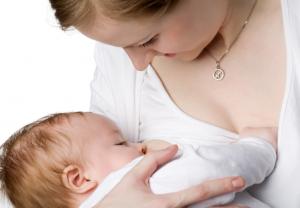
Breast milk induces genetic pathways that are quite 
different from those in formula-fed infants, new research 
has found. (Credit: iStockphoto/Oleg Kozlov)

"For the first time, we can see that breast milk induces genetic pathways that are quite different from those in formula-fed infants. Although formula makers have tried to develop a product that's as much like breast milk as possible, hundreds of genes were expressed differently in the breast-fed and formula-fed groups," said Sharon Donovan, a U of I professor of nutrition.

Although both breast-fed and formula-fed babies gain weight and seem to develop similarly, scientists have known for a long time that breast milk contains immune-protective components that make a breast-fed infant's risk lower for all kinds of illnesses, she said.

"The intestinal tract of the newborn undergoes marked changes in response to feeding. And the response to human milk exceeds that of formula, suggesting that the bioactive components in breast milk are important in this response," she noted.

"What we haven't known is how breast milk protects the infant and particularly how it regulates the development of the intestine," she said.

Understanding those differences should help formula makers develop a product that is more like the real thing, she said. The scientists hope to develop a signature gene or group of genes to use as a biomarker for breast-fed infants.

Many of the differences found by the scientists were in fundamental genes that regulate the development of the intestine and provide immune defense for the infant.

In this small proof-of-concept study, Donovan used a new technique patented by Texas A&M colleague Robert Chapkin to examine intestinal gene expression in 22 healthy infants -- 12 breast-fed, 10 formula-fed.

The technique involved isolating intestinal cells shed in the infants' stools, then comparing the expression of different genes between the two groups. Mothers in the study collected fecal samples from their babies at one, two, and three months of age. Scientists were then able to isolate high-quality genetic material, focusing on the RNA to get a gene expression or signature.

Donovan said that intestinal cells turn over completely every three days as billions of cells are made, perform their function, and are exfoliated. Examining the shed cells is a noninvasive way to examine intestinal health and see how nutrition affects intestinal development in infants.

Understanding early intestinal development is important for many reasons, she said.

"An infant's gut has to adapt very quickly. A new baby is coming out of a sterile environment, having received all its nutrients intravenously through the placenta. At that point, babies obviously must begin eating, either mother's milk or formula.

"They also start to become colonized with bacteria, so it's very important that the gut learns what's good and what's bad. The baby's body needs to be able to recognize a bad bacteria or a bad virus and fight it, but it also needs to recognize that even though a food protein is foreign, that protein is okay and the body doesn't want to develop an immune response to it," she said.

If anything goes wrong at this stage, babies can develop food allergies, inflammatory bowel disease, and even asthma. "We're very interested in frequent sampling at this early period of development," she added.

Donovan also would like to learn how bacteria in the gut differ in formula- and breast-fed babies, and this technique should make that possible. "Now we'll be able to get a complete picture of what's happening in an infant -- from the composition of the diet to the microbes in the gut and the genes that are activated along the way."

Of potential clinical importance: The gene expressed most often in breast-fed infants is involved in the cell's response to oxygen deprivation. Lack of oxygen is a factor in the development of necrotizing enterocolitis (NEC), a kind of gangrene of the intestine that can be fatal in premature babies. NEC is a leading cause of disease and death in neonatal intensive care units, with a reported 2,500 cases occurring annually in the United States and a mortality rate of 26 percent.

The study will appear in the June 2010 issue of the American Journal of Physiology, Gastrointestinal and Liver Physiology. Co-authors are Robert S. Chapkin, Chen Zhao, Ivan Ivanov, Laurie A. Davidson, Jennifer S. Goldsby, Joanne R. Lupton, and Edward R. Dougherty, all of Texas A&M University, Rose Ann Mathai and Marcia H. Monaco of the U of I, and Deshanie Rai and W. Michael Russell of Mead Johnson Nutrition. The study was funded by Mead Johnson Nutrition.
Reblog this post [with Zemanta]

Quantum Move Toward Next Generation Computing


Physicists at McGill University have developed a system for measuring the energy involved in adding electrons to semi-conductor nanocrystals, also known as quantum dots -- a technology that may revolutionize computing and other areas of science.
Me
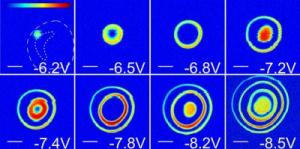
These images show the electrostatic energy given 
off when electrons are added to a quantum dot. 
They were made with an atomic-force microscope. 
(Credit: Dept. of Physics, McGill University)

Dr. Peter Grütter, McGill's Associate Dean of Research and Graduate Education, Faculty of Science, explains that his research team has developed a cantilever force sensor that enables individual electrons to be removed and added to a quantum dot and the energy involved in the operation to be measured.

Being able to measure the energy at such infinitesimal levels is an important step in being able to develop an eventual replacement for the silicon chip in computers -- the next generation of computing. Computers currently work with processors that contain transistors that are either in an on or off position -- conductors and semi-conductors -- while quantum computing would allow processors to work with multiple states, vastly increasing their speed while reducing their size even more.

Although popularly used to connote something very large, the word "quantum" itself actually means the smallest amount by which certain physical quantities can change. Knowledge of these energy levels enables scientists to understand and predict the electronic properties of the nanoscale systems they are developing.

"We are determining optical and electronic transport properties," Grütter said. "This is essential for the development of components that might replace silicon chips in current computers."

The electronic principles of nanosystems also determine their chemical properties, so the team's research is relevant to making chemical processes "greener" and more energy efficient. For example, this technology could be applied to lighting systems, by using nanoparticles to improving their energy efficiency. "We expect this method to have many important applications in fundamental as well as applied research," said Lynda Cockins of McGill's Department of Physics.

The principle of the cantilever sensors sounds relatively simple. "The cantilever is about 0.5 mm in size (about the thickness of a thumbnail) and is essentially a simple driven, damped harmonic oscillator, mathematically equivalent to a child's swing being pushed," Grütter explained. "The signal we measure is the damping of the cantilever, the equivalent to how hard I have to push the kid on the swing so that she maintains a constant height, or what I would call the 'oscillation amplitude.' "

Dr. Aashish Clerk, Yoichi Miyahara, and Steven D. Bennett of McGill's Dept. of Physics, and scientists at the Institute for Microstructural Sciences of the National Research Council of Canada contributed to this research, which was published online in the Proceedings of the National Academy of Sciences. The research received funding from the Natural Sciences and Engineering Research Council of Canada, le Fonds Québécois de le Recherche sur la Nature et les Technologies, the Carl Reinhardt Fellowship, and the Canadian Institute for Advanced Research.
Reblog this post [with Zemanta]